
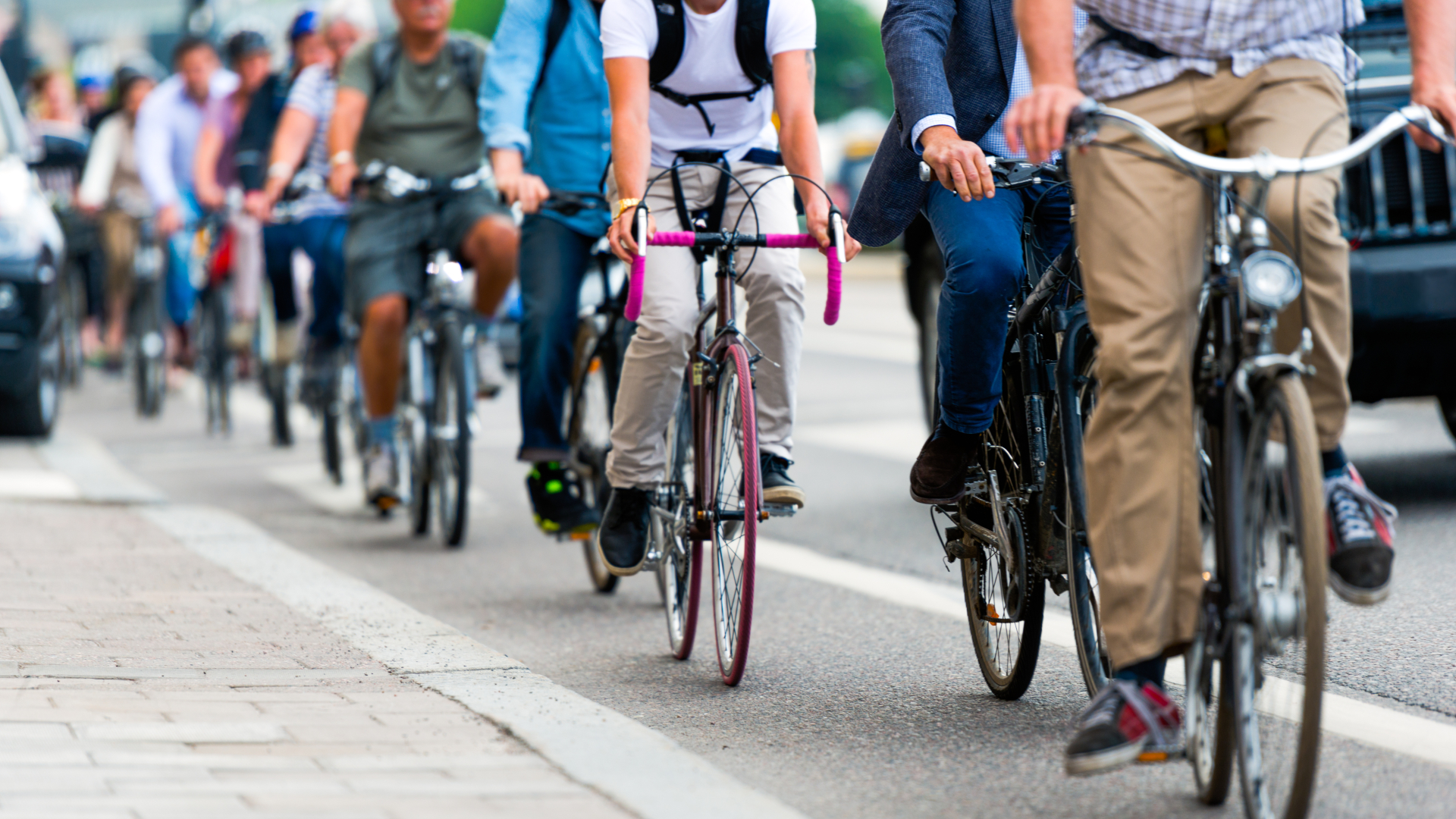
Picture this: you’re stuck in traffic, crawling along at 12mph, trapped behind Brenda who thought the weekly shop at 8:10am was a genius idea. Meanwhile, cyclists are gliding past at twice your speed, looking annoyingly smug. Here’s the twist: they’re not just beating you to work, they’re also ticking off their daily exercise goals before you’ve even finished your first sip of coffee.
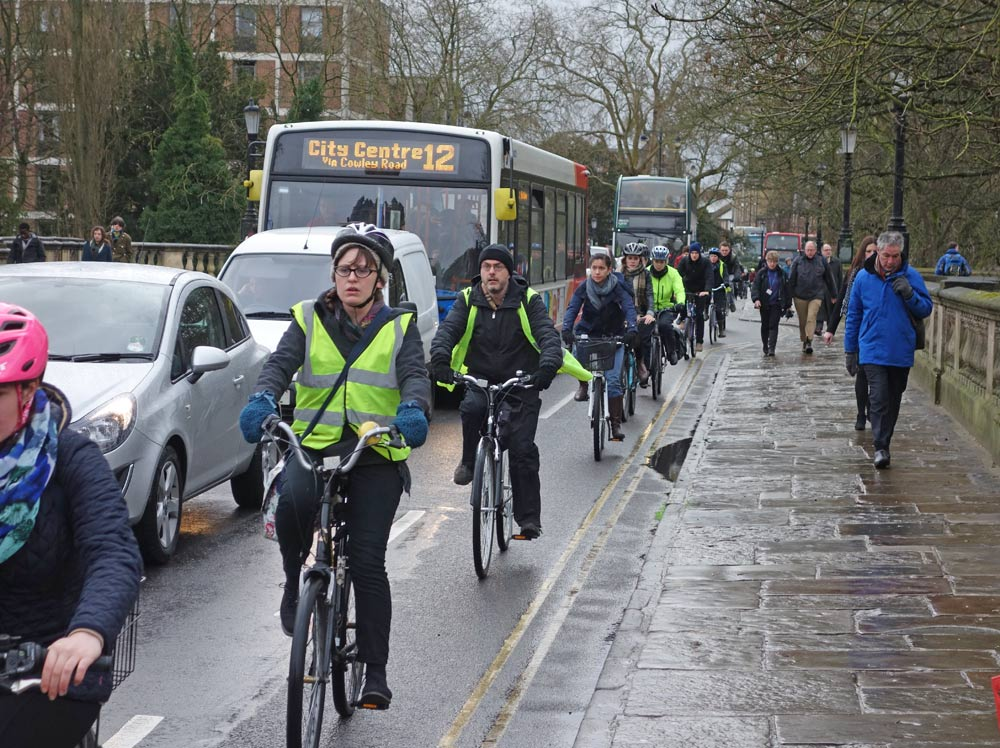
And no, this blog isn’t for the Lycra-clad speed demons who treat Strava like the Olympics. This is for you, the everyday folk stuck in a rut, mentally and physically, wondering if there’s a better way to get active than shelling out for that overpriced gym membership you barely use.
Because here’s the reality: only 64% of adults in England actually meet the NHS aerobic activity guidelines. So swapping four wheels for two isn’t about chasing KOMs or joining a peloton, it’s about building fitness into your day like a sneaky health insurance policy for your body.
The NHS Numbers Don’t Lie (But Your Fitness Tracker Might)
- Men are doing slightly better than women: 70% of men meet the aerobic activity target compared with 59% of women.
- And when it comes to muscle-strengthening activities, the gap is wider — 36% of men vs just 29% of women.
- Put bluntly: ladies, society may love a women-only yoga club, but statistically we’re still being short-changed on hitting the official strength and fitness guidelines.
Now here’s where the bike swoops in like a shiny two-wheeled superhero: cycling isn’t just cardio. It hits aerobic targets and gives your lower body a solid strength workout. You don’t need dumbbells when you’re hauling yourself (and let’s be real, that laptop backpack) up hills.
Cycling: The Commute Upgrade Your Body Wants
The NHS recommends at least 150 minutes of moderate activity a week. That’s the equivalent of three hours of Netflix — except you’re moving, not slouching.
A 30-minute ride to work each way? That’s an hour a day, five days a week = 300 minutes….even if you half it, you’ve hit your target! Anyhow, you’ve doubled the NHS target without a single gym membership or overpriced protein shake. And if your route has a hill steep enough to make you question your life choices, congratulations vigorous exercise counts double.
But What If You Work From Home?
Ah, the pyjama workforce. Once upon a time, you “commuted,” which, while boring, still counted as activity, running for the bus, stomping to the train, or at least pacing angrily because someone nicked your parking space. Now? Your Fitbit thinks you’ve died between 9am and 5pm.

Cycling fixes that:
- The Fake Commute: Do a 20-minute loop before work. Arrive at your desk wide awake and slightly smug.
- Lunch Break Spin: Instead of inhaling a sandwich over Slack, ride it off.
- Chore by Bike: Groceries, pharmacy, parcel pick-ups — all legitimate reasons to rack up miles and call it “functional fitness.”
Why Cycling Beats the Car (for Your Health, Anyway)
- Aerobic + strength combo: Cycling works your heart and your muscles in one go. NHS boxes ticked.
- Mental reset: Regular exercise reduces depression risk. Translation: less post-Zoom burnout.
- Longevity bonus: Physical activity reduces falls and keeps you sharp as you age. Imagine being 75 and still flying past twenty-somethings uphill. Legendary.
Have you heard of the Cycle to Work Scheme?
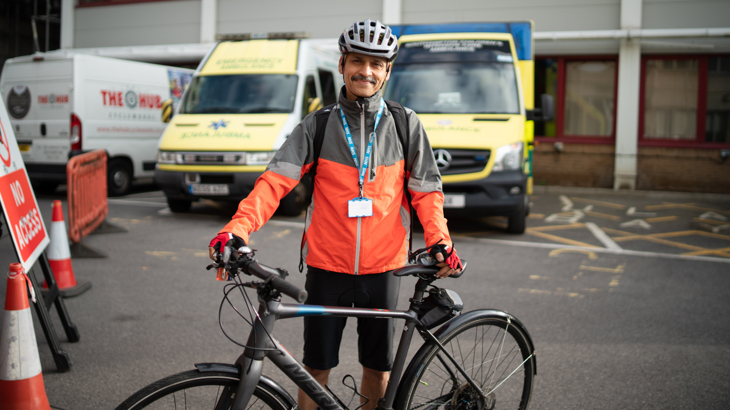
If you’ve ever thought about swapping your car for a bike but worried about the cost, the Cycle to Work Scheme could be your golden ticket. It’s a UK government-backed initiative that helps employees get a new bike and cycling equipment through a salary sacrifice scheme, meaning you pay for it tax-free over time.
Here’s how it works in a nutshell:
- Your employer buys the bike and safety gear on your behalf.
- You repay the cost via a small deduction from your salary, which is tax- and National Insurance-free.
- The scheme usually covers not just the bike, but also helmets, lights, locks, and other essential kit.
The benefits are pretty sweet: you save money, get a top-notch bike without a huge upfront cost, and of course, boost your fitness and wellbeing on your commute. Many employers even see it as a way to promote healthier, greener, and happier staff, so it’s a win-win.
Bottom Line: Swap Some Miles
You don’t need to set fire to your car keys. Just start small, it’s not a race (literally)…. maybe try just two commutes a week by bike (which still hits your target!!!), or a couple of WFH “fake commutes.” Suddenly, you’re not the one missing NHS targets; you’re the one casually exceeding them.
Because while your car might get you to work on time, your bike will get you there fitter, happier, and with thighs that could probably crack a walnut. And honestly, who doesn’t want that?
If you’ve read this far, we’ve surely got you thinking….so, there’s only one more step you need to complete, before you can change your future. Drop us an email on [email protected] to start your cycle to work lifestyle.