Last updated: June 2026 - Written by Team Cycles specialists, authorised Cube dealers in Gateshead & Kielder Forest
Cube makes some of the most capable electric mountain bikes available in the UK, but with multiple model families, battery sizes, motor options and frame types, choosing the right one is not always straightforward.
This guide from Team Cycles explains how Cube electric mountain bikes work, what the key differences are between the main model families, and what to think about before you buy. It is written for riders who are seriously considering a Cube e-MTB but want to understand the system before committing.
If you want the wider Cube picture including road, hybrid and non-electric mountain bikes, start with our Cube Bike Range Explained 2026 guide. If you are ready to browse current stock, head straight to our Cube Electric Bikes page.
Quick Links
Swipe to scroll on mobile
How Cube Electric Mountain Bikes Work
The Bosch Smart System
Cube electric mountain bikes at Team Cycles are built around Bosch motors, which remain one of the most widely used and trusted e-bike systems in the UK. On the trail, that matters because riders want predictable support, dependable reliability and a system that feels natural rather than intrusive.
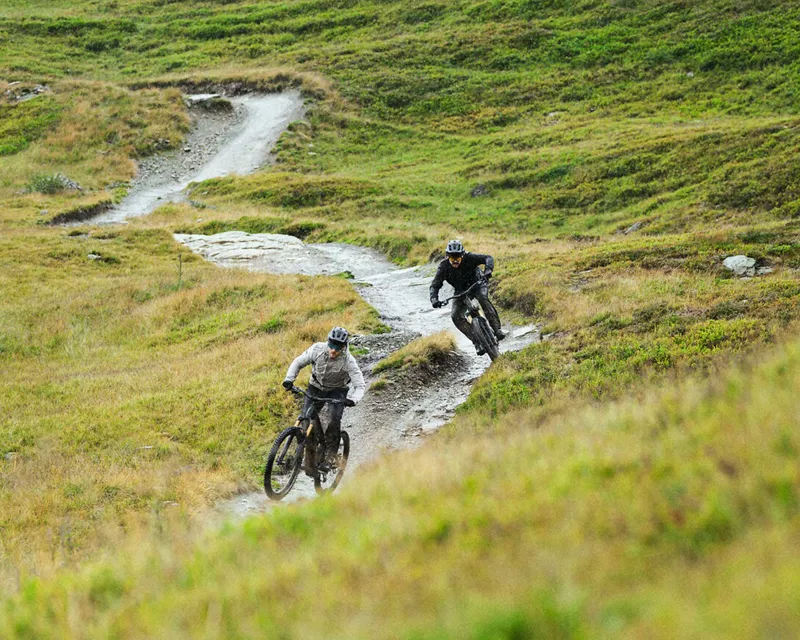
Cube uses Bosch mid-drive motors rather than hub-drive systems. For mountain biking, that is important because the motor sits low and central in the frame, which improves weight distribution, keeps the handling more balanced and works more naturally with the drivetrain. The result is a ride feel that is much closer to a normal mountain bike, just with more support when the trail points upward.
Pedal assist means exactly that: you still pedal the bike, and the motor amplifies your effort. There is no throttle. The amount of support depends on the assist mode you are using and how hard you are riding. For trail use, Bosch’s eMTB mode is one of the biggest advantages, because it automatically adjusts assistance based on gradient and rider input rather than forcing you to keep switching modes constantly.
Swipe to scroll on mobile
| Assist Mode | What It Feels Like | Best Use |
|---|
| Eco | Light, efficient assistance | Longer rides, flatter terrain, saving battery |
| Tour | Noticeable but controlled support | Mixed riding, steady climbing, general use |
| Sport | Stronger, faster support | Steeper climbs and more urgent trail riding |
| eMTB | Automatically adjusts with rider effort | Trail riding, changing gradients, technical terrain |
Bosch Motor Options on Cube E-MTBs
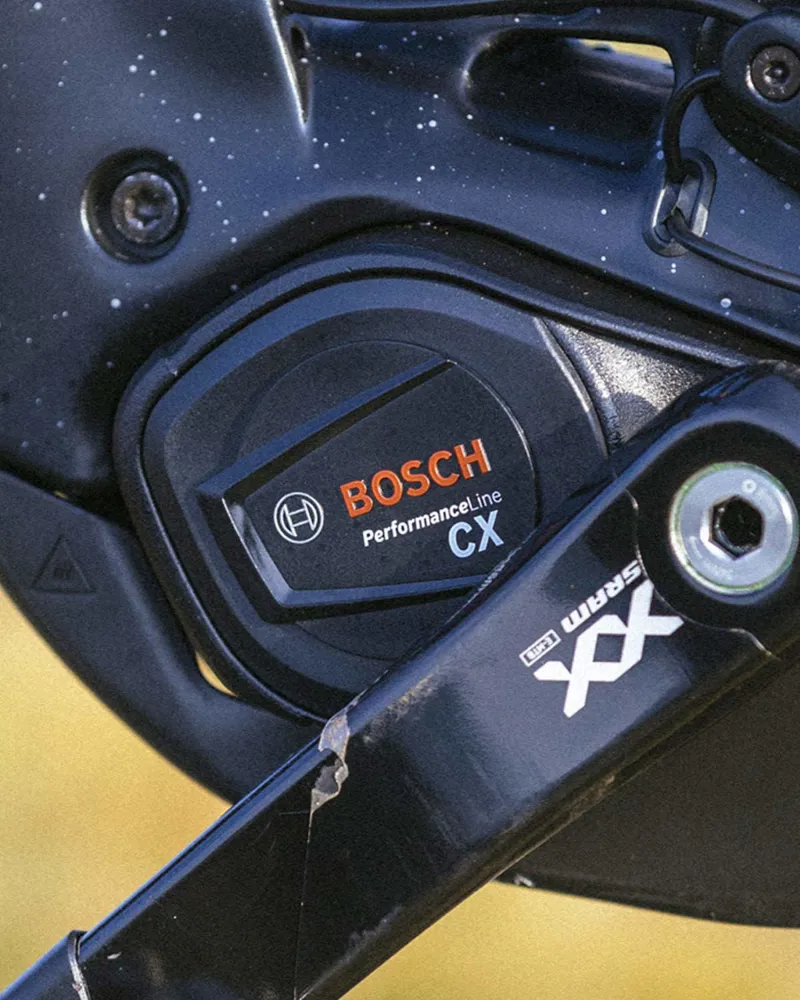
The two Bosch motor options that matter most in the Cube e-MTB range are the Performance Line CX and the Performance Line SX. The Performance Line CX is the main trail-focused option and is the motor most riders will associate with modern full-power e-MTB performance. The Performance Line SX is lighter, more compact and aimed at riders who want a subtler, more natural-feeling assist package.
Torque figures are useful, but only when you understand what they mean on the trail. In practice, more torque means stronger support on steeper climbs, easier progress through slower technical sections and less strain on long climbs. If you want the bigger Bosch update picture, including compatible models and the latest tuning changes, see our Bosch eBike update guide.
Swipe to scroll on mobile
| Motor | General Character | Best For |
|---|
| Performance Line CX | Full-power, trail-focused support | Steep climbs, technical trail riding, heavier-duty e-MTB use |
| Performance Line SX | Lighter, more natural-feeling assistance | Riders wanting a lower-weight, less intrusive e-MTB feel |
Battery Sizes and Range
Battery capacity is measured in watt hours, so 400Wh, 600Wh, 625Wh, 750Wh and 800Wh figures simply tell you how much stored energy the bike is carrying. Bigger numbers generally mean more range, but range varies hugely depending on how and where you ride. Terrain, rider weight, tyre choice, weather and assist mode all make a real difference.
On Kielder-style riding with repeated climbing, rougher surfaces and mixed use of support modes, real-world range will feel very different to flatter path or road use. For many riders, it is better to think in terms of ride style and ride length rather than expecting one fixed mileage figure.
The Two Cube E-MTB Families - Reaction Hybrid vs Stereo Hybrid
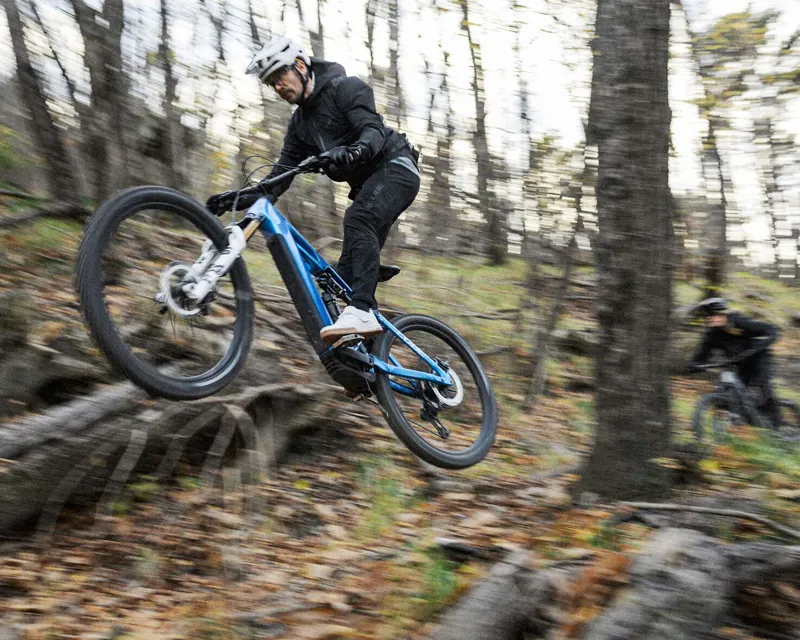
This is the most important distinction to understand before you start comparing specific Cube electric mountain bikes. The broad split is simple: Reaction Hybrid is the hardtail family, while Stereo Hybrid is the full suspension family.
Cube Reaction Hybrid
The Reaction Hybrid is Cube’s electric hardtail range, which means front suspension only and no rear shock. It suits riders who value simplicity, efficiency and easier maintenance.
For blue trails, forest roads, mixed terrain and big-distance rides, a hardtail e-MTB often makes a lot of sense. It climbs efficiently, tends to feel more direct and usually comes in at a lower starting price than full suspension.
Where it gives ground is on rougher, more technical terrain, especially repeated impacts, rockier trails and longer sustained descents where rear suspension adds traction and comfort.
View Cube Reaction Hybrid Race 800Cube Stereo Hybrid
The Stereo Hybrid family is Cube’s electric full suspension range. Front and rear suspension work together to increase grip, comfort and confidence when trails become rougher or more technical.
This is the range for riders taking on more committed trail riding, including rougher blue trails, red routes and more technical descents. Cube’s travel tiers such as ONE22, ONE44 and ONE77 help indicate the level of suspension travel and intended trail capability.
The trade-off is extra complexity, higher maintenance and usually a higher price point than a hardtail, but for many trail riders the added control is well worth it.
View Cube Stereo Hybrid ONE44 HPC SLX 800Swipe to scroll on mobile
| Question | Points to Reaction Hybrid | Points to Stereo Hybrid |
|---|
| What trails do you mainly ride? | Green and blue, forest roads, mixed surfaces | Blue, red and more technical terrain |
| How important is efficiency? | Very - you want to cover distance | Less so - you want trail performance first |
| What’s your maintenance appetite? | Lower maintenance preferred | Happy to maintain suspension and pivots |
| What’s your budget? | Hardtails generally start lower | Full suspension commands a premium |
| Do you descend technical ground regularly? | Rarely | Yes, regularly |
What to Consider Before Buying a Cube E-MTB
Motor vs Battery - Which Matters More?
A common mistake is to focus only on battery size. Battery capacity matters, but trail riding is also heavily influenced by how the motor delivers its support. It makes more sense to think about motor and battery together. A larger battery with a less performance-oriented setup is not always the better trail bike, just as a more powerful-feeling bike with a smaller battery is not automatically the best choice for longer rides.
Frame Material
Cube e-MTBs are available in aluminium and carbon, depending on the model tier. Aluminium keeps things durable and more affordable, while carbon reduces weight and can sharpen the ride feel. On an e-MTB, weight saving can be especially meaningful because the overall bike system is already heavier than a standard mountain bike. Cube’s higher-end carbon platforms, including C:68X, matter most for riders looking for the most refined performance and lower overall weight.
Wheel Size
Modern Cube e-MTBs are mostly built around 29-inch wheels or mixed-wheel concepts, depending on the model. In general, 29-inch wheels carry speed well and smooth out trail chatter, while smaller rear wheels in mullet setups can make the bike feel more agile. Fit and rider preference still matter, particularly for shorter riders or those wanting a more playful feel.
Getting the Right Size
Cube e-MTB sizing follows the same basic principles as Cube’s normal mountain bike sizing, but with full suspension bikes in particular, the way the geometry feels on the trail matters just as much as the number on the size chart. For the bigger Cube picture, including sizing context, head to our Cube Bike Range Explained 2026 page.
Riding Cube E-MTBs at Kielder Forest
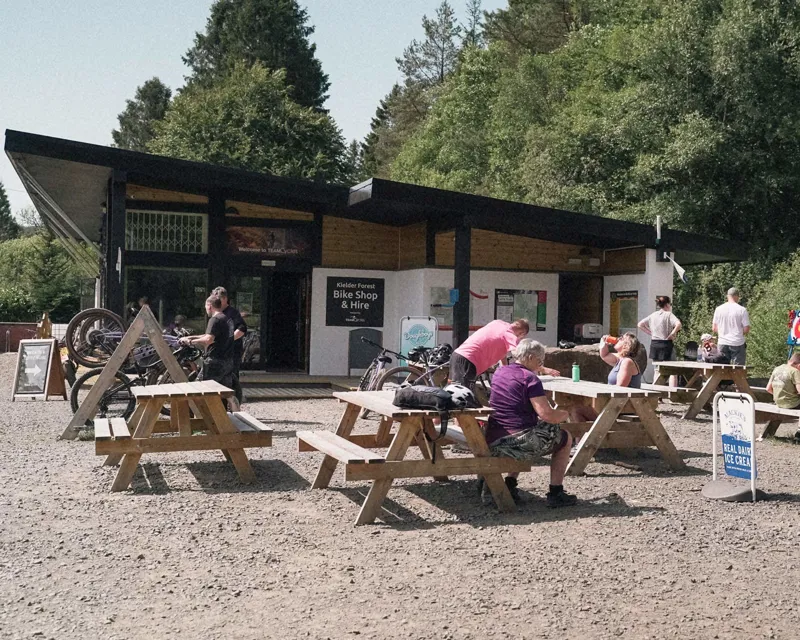
Kielder Forest is a useful place to think about Cube e-MTB capability because it combines long distances, varied trail grades and the kind of rolling, punchy terrain where pedal assist really changes what is achievable in a day.
For Reaction Hybrid riders, Kielder makes a strong case for the electric hardtail. Forest roads, blue routes and longer mixed-surface rides are exactly the kind of terrain where an efficient, lower-maintenance e-MTB makes sense. For Stereo Hybrid riders, Kielder also shows the value of full suspension, especially when routes become rougher, more technical or more physically demanding over the course of a bigger ride.
The key point is not that one family is a Kielder bike and the other is not. It is that places like Kielder make the differences easier to understand. If your riding is more about distance, mixed surfaces and accessible trail riding, a Reaction Hybrid may be the right starting point. If your idea of a good day involves rougher trail features, more traction and more control on technical terrain, the Stereo Hybrid family starts to make much more sense.
Cube Electric Mountain Bike - FAQs
Q: What motor does Cube use on their electric mountain bikes?
A: Cube e-MTBs at Team Cycles use Bosch motors, most notably the Performance Line CX and Performance Line SX depending on the model. The Bosch Smart System is the current generation and includes four assist modes, including the trail-specific eMTB mode that automatically adjusts support based on rider effort and terrain.
Q: What is the difference between Cube Reaction Hybrid and Stereo Hybrid?
A: The Reaction Hybrid is Cube’s electric hardtail range, which means front suspension only, lower maintenance and stronger efficiency on mixed terrain. The Stereo Hybrid is Cube’s electric full suspension range, designed for riders who want more comfort, grip and confidence on rougher or more technical trails.
Q: How far can a Cube electric mountain bike go on one charge?
A: Range varies significantly depending on battery size, assist mode, terrain and rider weight. On hilly off-road riding, expect noticeably less range than flatter path or road use. A larger battery gives you more headroom, but there is no single fixed mileage number that applies to every rider or route.
Q: Are Cube electric mountain bikes suitable for beginners?
A: Yes. The pedal assist system makes Cube e-MTBs accessible to a wide range of riders. The Reaction Hybrid in particular is a strong option for riders newer to trail riding who want support on climbs without going straight into the added complexity of full suspension.
Q: Can I update my Cube Bosch e-MTB software?
A: Many compatible Bosch-equipped Cube e-MTBs can receive software updates through the Bosch system. For the latest update overview and compatible model information, see our Bosch eBike update guide.
Q: Where can I try sizes for Cube e-bikes in Gateshead?
A: Team Cycles Gateshead is the best place to try Cube e-bike sizes in person. We have a strong range of sizes to try in store, which makes it much easier to understand what feels right before you commit.
Q: How do Cube electric mountain bikes compare to Trek electric mountain bikes?
A: Both Cube and Trek produce capable electric mountain bikes and Team Cycles stocks both brands as an authorised dealer. The differences come down to geometry, frame design, model family and specification choices. If you are comparing the two, it is worth looking at both side by side and narrowing things down based on the type of riding you actually do.
Q: Where can I browse Trek electric bikes too?
A: You can browse our wider electric bike range via All Electric Bikes. If you want a Trek-specific page instead, send me that link and I will swap it in.
Ready to Explore Cube Electric Mountain Bikes?
This guide covers the system, the model families and the main decisions to think about. The next step is either browsing current stock or using the wider Cube guide to understand where electric mountain bikes sit in the range overall.
Swipe to scroll on mobile