Last updated: April 2026 - Reviewed by Team Cycles specialists, Gateshead & Kielder Forest
A good cycling helmet is the most important piece of kit you can buy - but with dozens of brands, safety ratings, and helmet types on the market in 2026, choosing the right one is not always straightforward. Road helmets, MTB helmets, urban commuter lids, MIPS, WaveCel, fidlock buckles - the jargon alone can be overwhelming.
This guide from Team Cycles in Gateshead cuts through the noise and helps you find the right helmet for your riding, your head shape, and your budget.
Which Helmet Type Do You Need?
| Riding Type | Helmet Type | Key Features | Our Brands |
|---|
| Road cycling | Road helmet | Lightweight, aero, well-ventilated | Kask, POC, Met, Abus |
| Trail / enduro MTB | MTB helmet | Extended rear coverage, visor | Fox, Sweet Protection, POC |
| Urban / commuting | Urban or commuter helmet | Compact profile, visibility, casual styling | Abus, Bontrager, Lazer |
| Kids | Kids helmet | Fit system, lightweight, easy adjustment | Lazer, Met, Abus |
Road Cycling Helmets - What to Look For
Road helmets are usually the first thing riders picture when they think of a cycling helmet, something lightweight, well ventilated, and shaped to work well at speed. For most of us out there, the big decision is not simply which one looks best, but where they want to sit between ventilation, weight and fit.
Ventilation, and if interested aerodynamics, are often a trade-off. Highly vented helmets are great for warmer days, climbing, and long rides where heat build-up becomes a bit of an issue. More aero-focused lids can feel faster and look sleeker, but for many UK riders the difference in comfort on longer rides matters just as much as any theoretical watt saving.
Rotational impact systems such as MIPS are worth paying attention to. In layman's terms, they are designed to help manage certain angled impacts, and for many riders they add welcome reassurance without dramatically changing how a helmet feels day to day.
I would personally say if you are looking for your first lid, how it fits matters the most. A good retention dial, comfortable cradle and even pressure around the head will do more for comfort than chasing the lightest number on the box. If you ride sportives, long road miles or isolated forest gravel days, weight and long-ride comfort become even more important.
Mountain Bike Helmets - What to Look For
MTB helmets tend to offer more coverage than road lids, especially around the back and sides of the head. That extra coverage is one of the biggest differences new buyers notice straight away, and it makes good sense once speeds, trail features, loose terrain and tree-lined riding come into the picture.
XC helmets usually feel lighter and are closer to road helmets in overall look, however trail and enduro helmets generally add more coverage and a more substantial feel. If your riding is more technical, steeper, or feature-heavy, a more protective trail or enduro-style lid is usually the smarter choice.
Visor adjustability is also worth checking, particularly on UK trails where light changes quickly and mud, spray and low winter sun can all become factors. If you ride more technical areas, it is also worth making sure your helmet works well with goggles.
Urban & Commuter Cycling Helmets
Urban helmets are built with a different brief. Instead of focusing purely on airflow and low weight, they often lean more toward compact shape, understated styling, practicality and visibility. For commuting, short trips and everyday riding, that can make them a better fit than a pure road or MTB helmet.
Style matters more here than many riders first admit. If you are wearing a helmet to work, locking the bike up outside the office, or using it for regular city trips, you will likely want something that feels practical and easy to live with. Abus is a key name in this area and remains a strong reference point for urban and commuter helmets.
Understanding Helmet Safety Standards in 2026
For UK buyers, CE EN1078 is still the core standard you will usually see on the box, but there is increasing interest in additional testing and newer benchmark systems. That does not mean older helmets are suddenly irrelevant, but it does mean buyers are becoming more aware that not all protection claims are identical.
What is MIPS?
MIPS stands for Multi-directional Impact Protection System. In plain English, it is a low-friction layer built into certain helmets that is designed to help reduce rotational forces in some angled impacts.
Most cycling crashes are not perfectly straight-on, and that is where MIPS comes in. It is designed to allow a small amount of movement inside the helmet during certain impacts, which may help reduce some of the forces transferred to the head.
You do not need MIPS for a helmet to be a good helmet, but many riders now actively look for it because it adds another layer of reassurance without dramatically changing the fit or day-to-day feel.
WaveCel, most closely associated with Bontrager, is another rotational impact approach, using a very different internal structure. You do not need to become an engineer to choose a safe helmet, but you should check what safety standard it meets and whether it includes any additional impact management system.
In practical terms, certification matters because it tells you the helmet meets recognised testing requirements. Always look for clear safety markings, trustworthy brand information, and a helmet that fits properly.
How to Get the Right Helmet Fit
The easiest place to start is by measuring your head circumference with a soft tape measure, usually around the widest part of the head just above the eyebrows. That gives you a starting point, not a guarantee.
Once the helmet is on, the retention system should snug it up evenly without creating hot spots. It should sit level on the head, not tipped too far back, and it should feel secure before the chin strap is even fully tightened.
This is one of the biggest reasons trying a helmet in store still matters. Different brands can feel very different even when the size label says the same thing. One rider may get on brilliantly with a Kask fit, while another finds a POC or Lazer shape suits them better.
Common fit mistakes include buying too loose, relying entirely on the dial to make a bad shape work, or ignoring pressure points that will become very noticeable after an hour on the bike. If you are near Gateshead, it is well worth trying helmets on properly before deciding.
Which Helmet Brand Suits Your Riding?
If you are new to helmet buying, choosing between brands can feel harder than choosing between helmet types. This table keeps it simple.
| Brand | Best For | Riding Style | Known For | General Feel |
|---|
| POC | Riders wanting premium protection and standout styling | Road, gravel, MTB | Safety focus, distinctive look, premium feel | Secure, substantial, confidence-inspiring |
| Kask | Performance road riders | Road | Low weight, ventilation, premium road reputation | Comfortable, sleek, race-ready |
| Sweet Protection | Riders wanting a premium performance option | Road, gravel, some MTB crossover appeal | Clean design, premium tech, performance focus | Sporty, modern, high-end |
| Fizik | Style-conscious road and gravel riders | Road, gravel | Modern styling, clean lines, performance feel | Neat, refined, minimalist |
| Abus | Urban riders and all-round buyers | Urban, commuting, road crossover | Practicality, commuter appeal, broad range | Versatile, easy to live with |
| Fox | MTB and gravity riders | Trail, enduro, full face, gravity | MTB heritage, coverage, aggressive trail focus | Protective, trail-specific, robust |
| Lazer | First-time buyers and all-rounders | Road, gravel, MTB, kids | Value, versatility, broad range | Easy entry point, practical, balanced |
| Met | Road and all-round buyers | Road, commuter, kids, MTB crossover | Well-rounded range, strong everyday appeal | Reliable, versatile, approachable |
Cycling Helmet Brands Stocked at Team Cycles
At Team Cycles, we stock a strong spread of helmet brands covering road, MTB, gravel, urban and kids options. That means you are not forced into one shape, one fit feel, or one style direction.
POC is a great place to look if protection, premium construction and distinctive styling are high on your list. Kask remains one of the standout names for road riders, while Sweet Protection and Fizik both offer strong premium options for road and gravel riders wanting something a little more modern and performance-led.
On the MTB side, Fox is the obvious go-to for all-out off-road and full face options. Lazer is one of the most versatile all-round choices, covering everything from kids helmets through to road, gravel and MTB. We also reference brands like Abus and Met because they remain important names for urban, everyday and safety-led buyers.
The short version: there is no single best helmet brand for everyone. The right choice depends on your riding, your head shape and what feels right once it is actually on your head.
Hot Lids Right Now
Here are some of the helmets riders are looking at right now across road, gravel, MTB and kids.
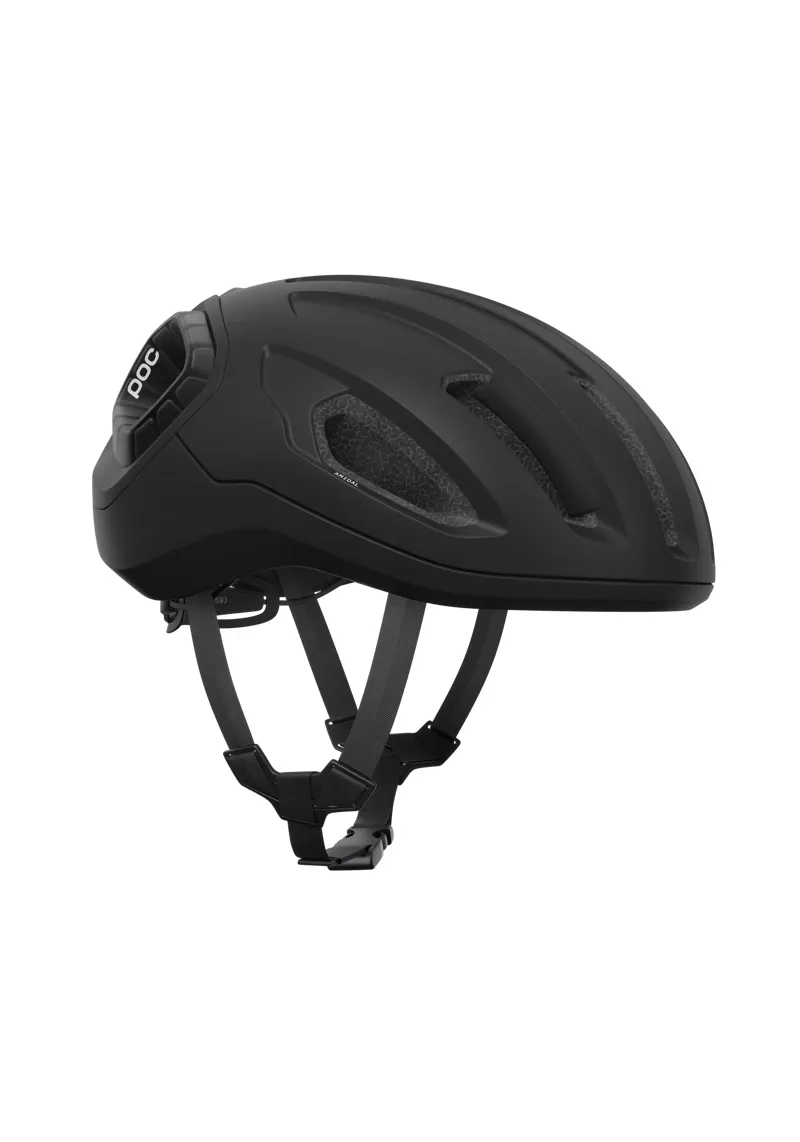
POC Amidal
A popular premium option with strong crossover appeal for road, gravel and everyday riders wanting extra reassurance and a clean POC look.
View Helmet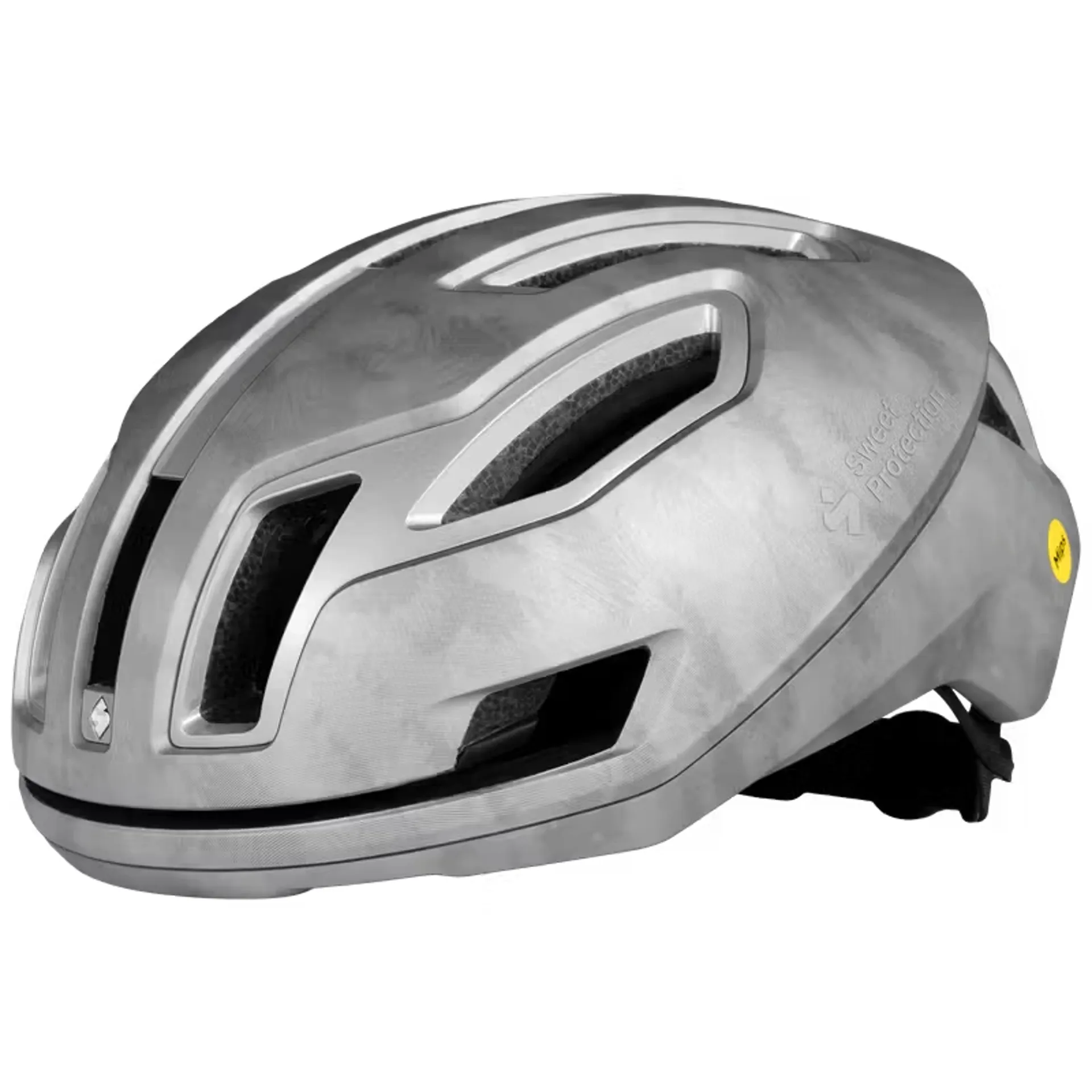
Sweet Protection Falconer 2Vi MIPS
A sharp premium helmet for riders wanting a fast, modern road or gravel lid with a high-end feel.
View Helmet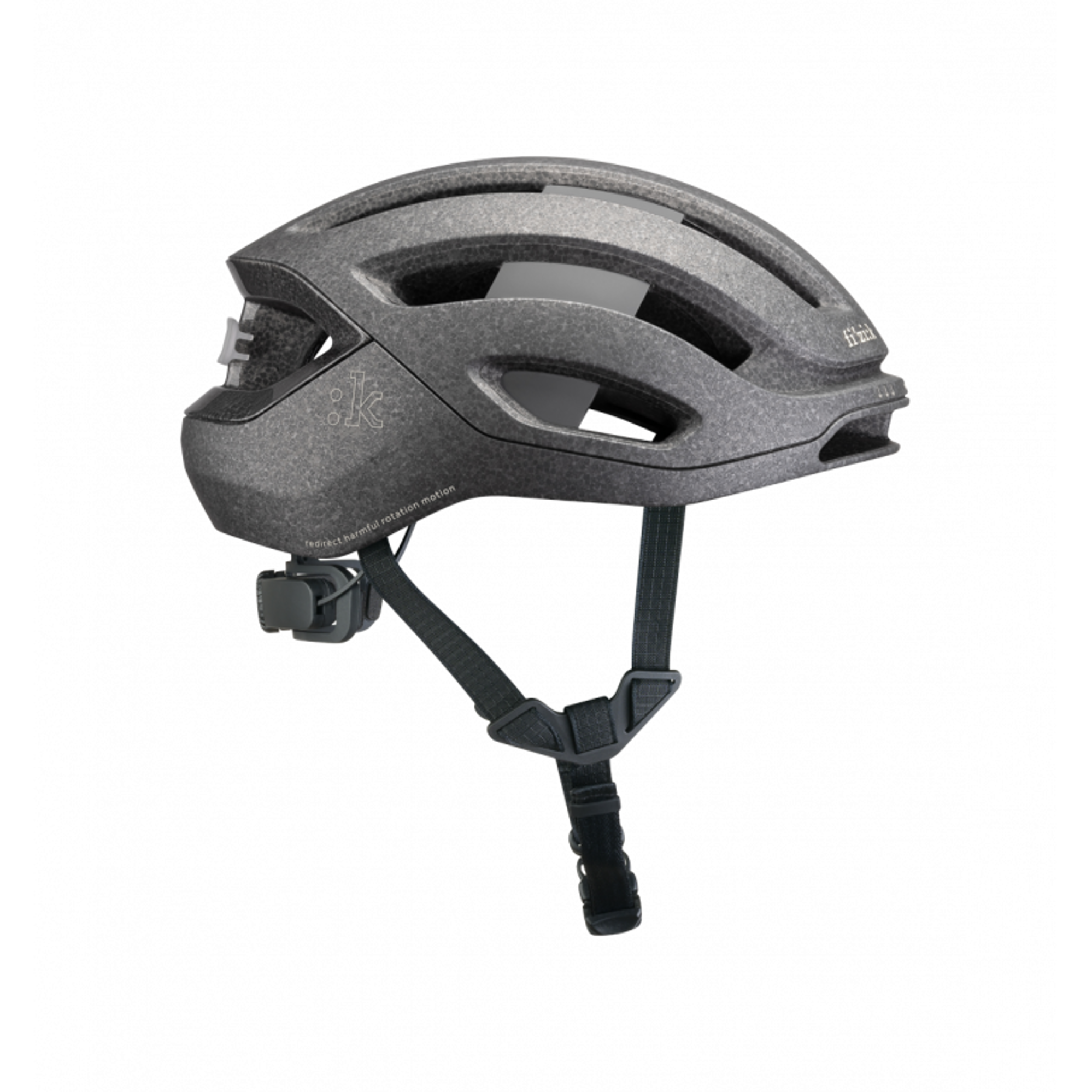
Fizik Kudo
A clean, modern option for road and gravel riders who like minimal styling without losing performance intent.
View Helmet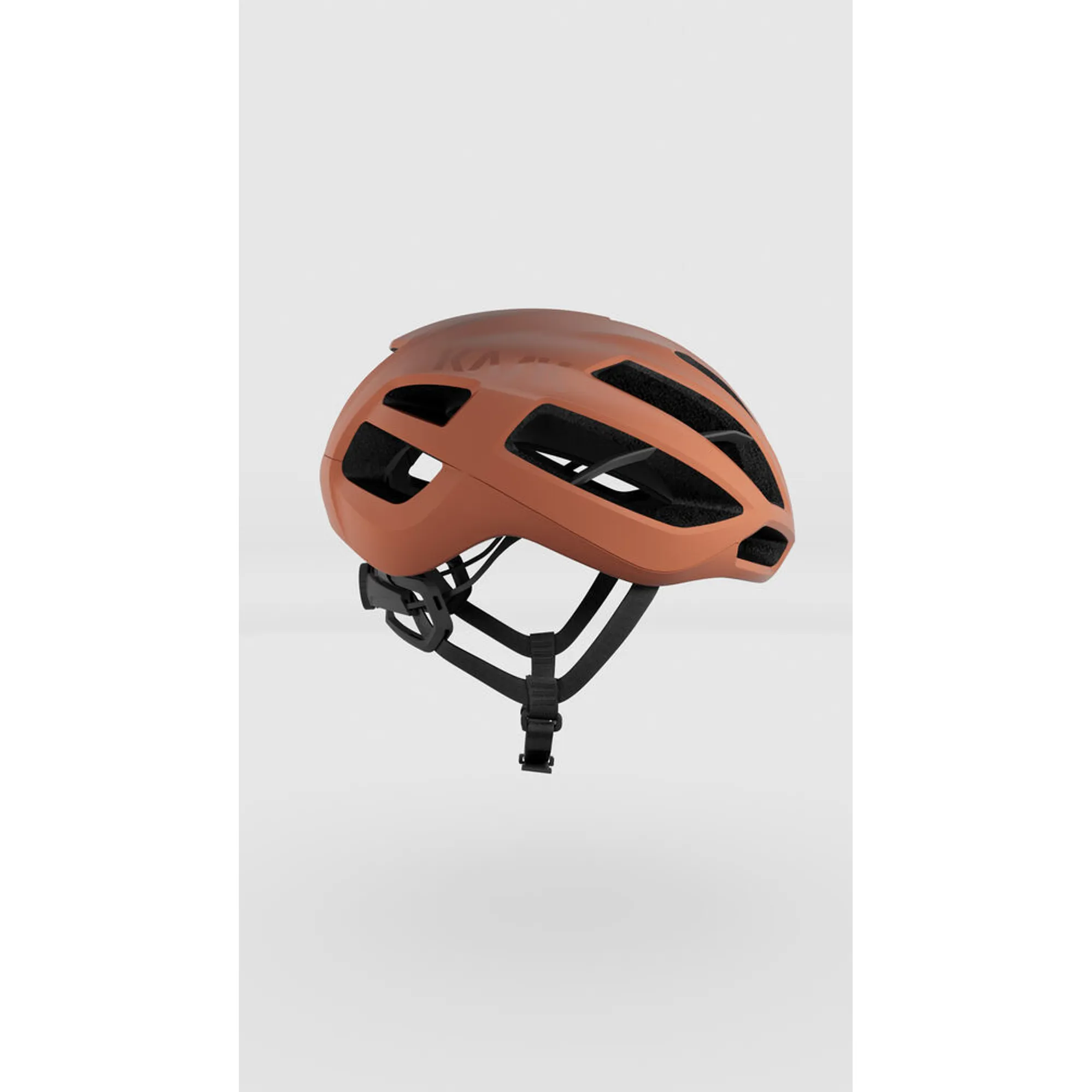
Kask Protone Icon
A classic choice for road riders wanting lightweight performance, ventilation and a premium Kask finish.
View Helmet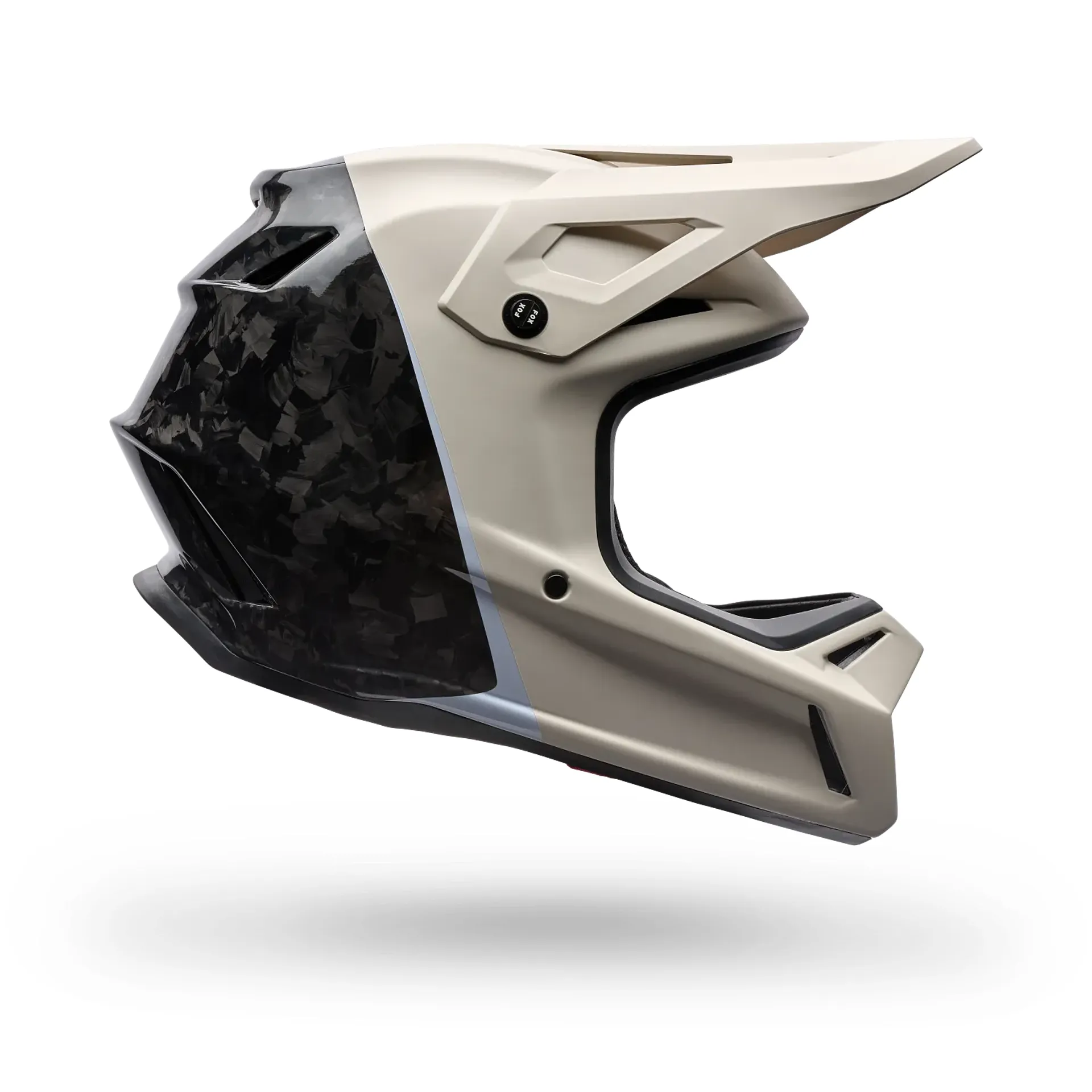
Fox Rampage RS Splice
A serious full face option for gravity, bike park and riders who need more coverage for technical riding.
View Helmet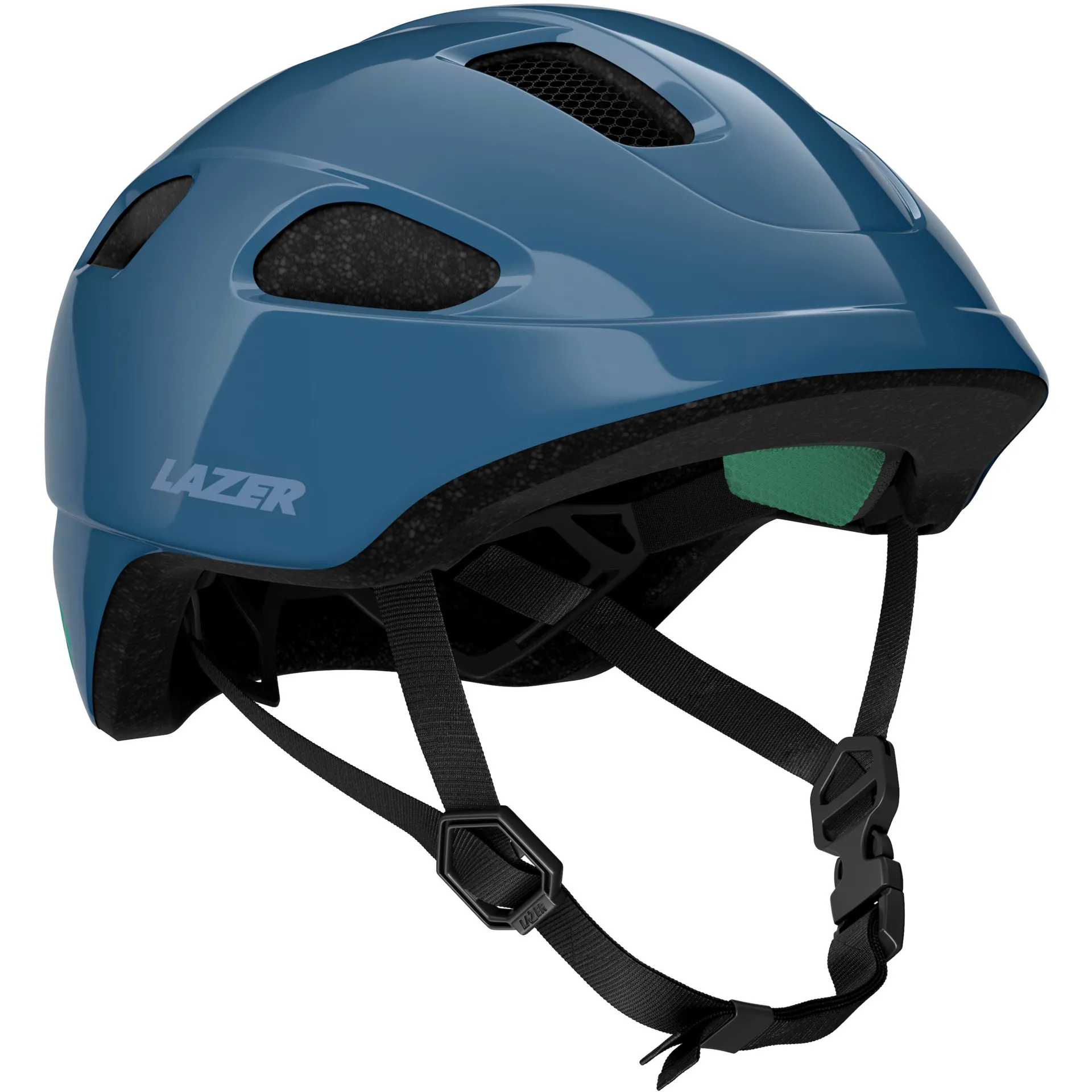
Lazer Nutz 2.0 KinetiCore Kids
A great example of why Lazer is such a strong all-round brand, with easy fit and kid-friendly practicality.
View HelmetCycling Helmets FAQs
What is the safest cycling helmet in 2026?
Rather than naming one universal safest helmet, it is better to look for a certified helmet that fits you properly and, if you want the extra reassurance, includes a rotational impact system such as MIPS or another comparable design approach.
What is the difference between a road and MTB helmet?
In practical terms, MTB helmets usually offer more coverage, especially at the rear, and often include a visor. Road helmets tend to focus more on low weight, airflow and speed-oriented design.
Are foldable cycling helmets safe?
Yes, if they are properly certified. The main trade-off is usually less of a performance feel compared with a standard helmet, rather than basic safety certification.
How often should I replace my cycling helmet?
A good rule of thumb is every 2 to 3 years, or immediately after any significant impact. Materials do age, and once a helmet has taken a hit it should not be trusted again.
What is MIPS and do I need it?
MIPS is a system designed to help manage certain rotational forces in angled impacts. You do not absolutely need it to buy a good helmet, but many riders now actively look for it because it adds another layer of reassurance.
Can I use a road helmet for mountain biking?
You can, but it is not always ideal. If you are riding proper trails, an MTB helmet usually gives you more appropriate coverage and a better off-road setup.
Where can I try cycling helmets near Gateshead?
If you are near Gateshead, Team Cycles is the best place to start. Trying helmets on properly is still the easiest way to work out which brand and shape suits you best.
Shop Cycling Helmets at Team Cycles
Browse our latest cycling helmets online or visit Team Cycles in Gateshead if you want help with fit and finding the right option for your riding.