Last Updated: Jan 2026
Gravel riding in 2026 has officially entered its “what even is gravel?” era. Smooth tarmac, broken lanes, forest tracks, bridleways, fire roads, and the occasional questionable line that probably wasn’t meant to be ridden at all.
Somewhere along the way, the line between gravel bikes and XC mountain bikes has become extremely blurry. And honestly, the biggest difference sometimes feels like… handlebars.
Gravel has no rules. If it’s got two wheels and pedals, you’re probably doing it right. So let’s break down where gravel bikes and XC MTBs differ, where they overlap, and which one actually makes sense for your riding.
The Difference Between Gravel Bikes and XC MTBs
We’re talking specifically about XC or cross-country hardtail mountain bikes here. Not trail bikes, not enduro sleds, not something with enough suspension to absorb small vehicles.
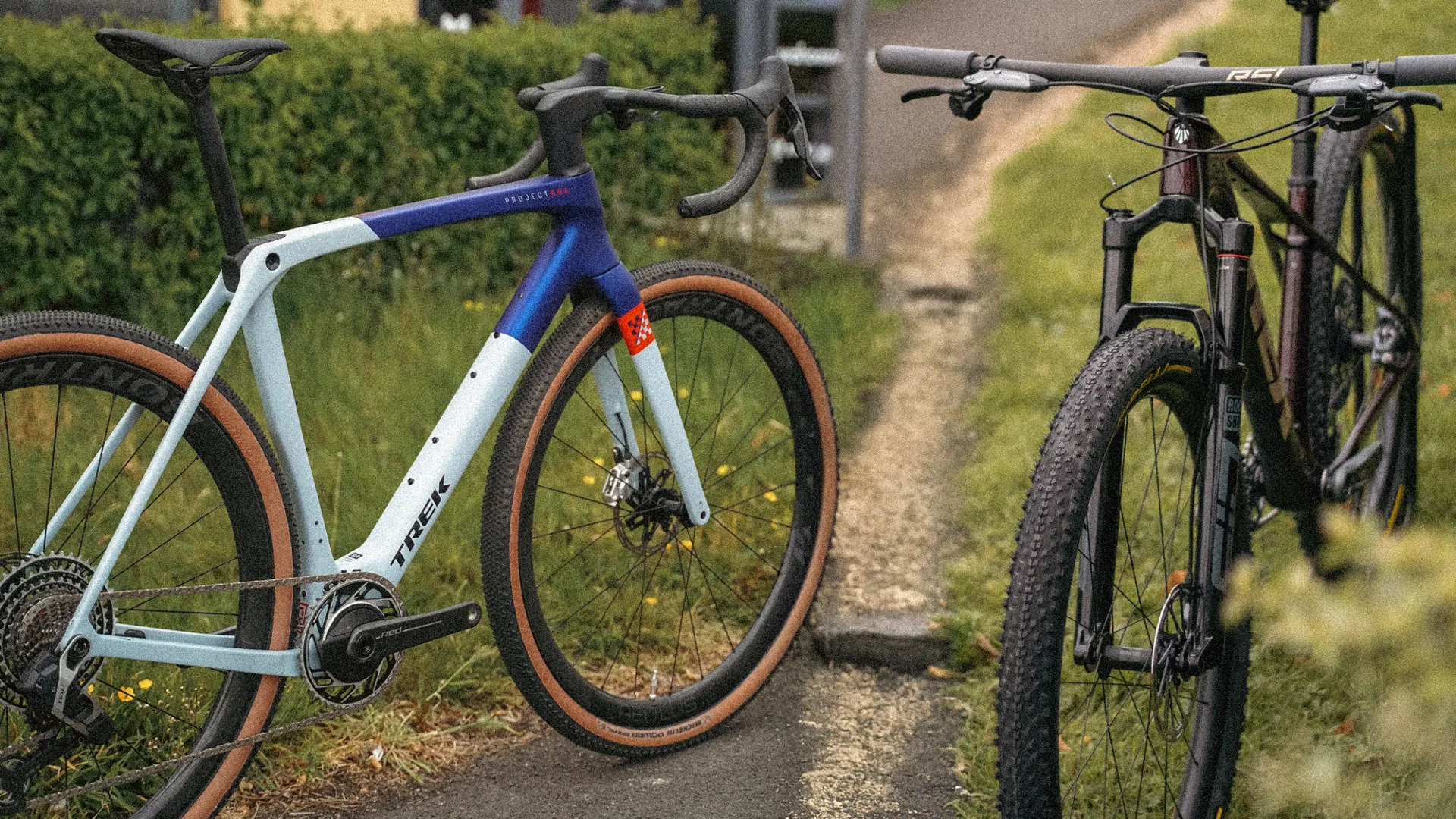
Gravel bikes sit closer to road bikes in geometry and efficiency. XC MTBs sit closer to trail bikes in comfort and control. In the middle? A whole lot of crossover.
Why Riders Choose a Gravel Bike
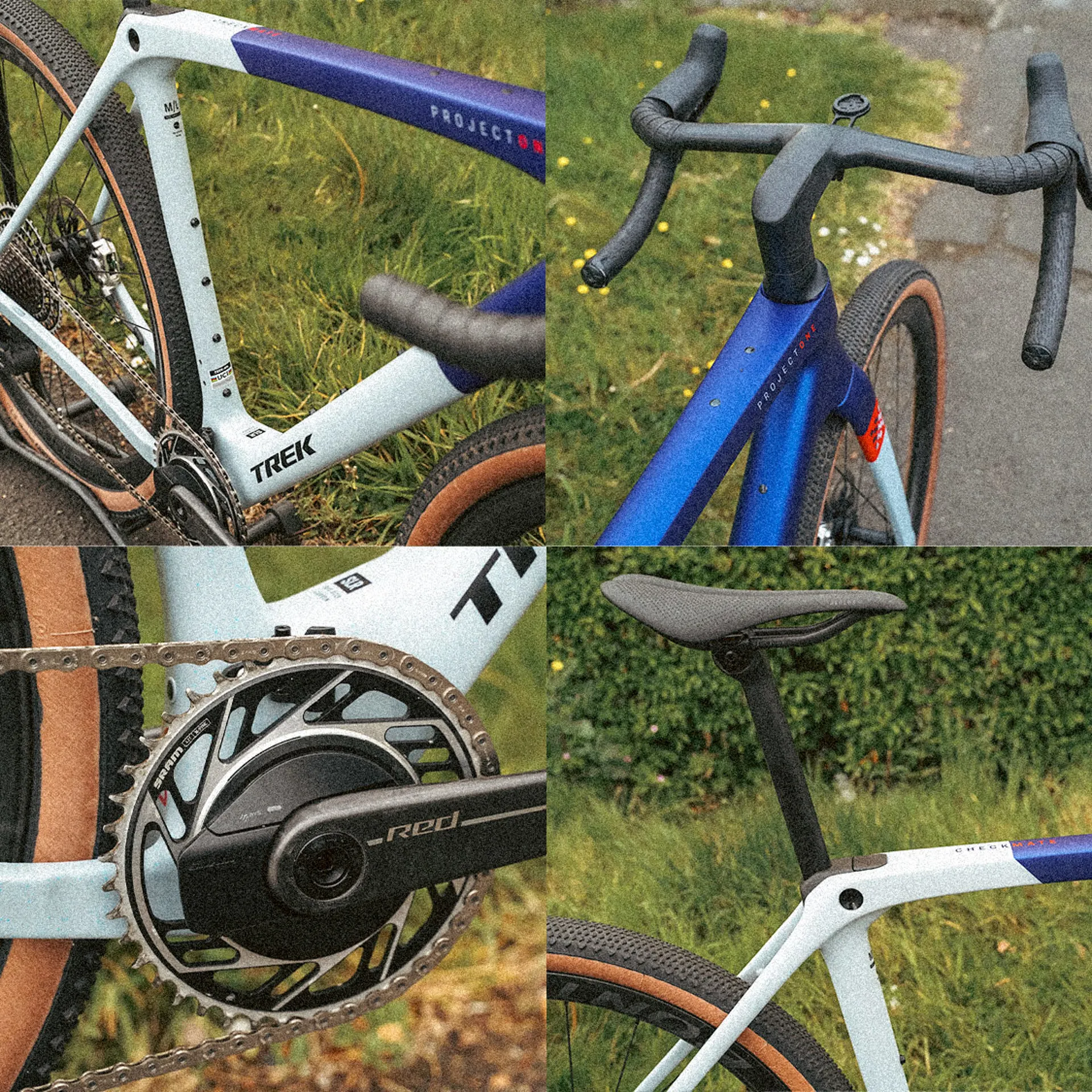
- Drop bars with multiple hand positions for long rides
- Gravel-focused drivetrains with sensible gearing for mixed terrain
- Larger chainrings up front for speed and efficiency
- More aerodynamic riding position
- Faster on roads and smooth gravel
The trade-off? Less comfort when things get rough and a riding position that’s brilliant for speed, but not always forgiving after four hours in the saddle.
Why Riders Choose an XC MTB
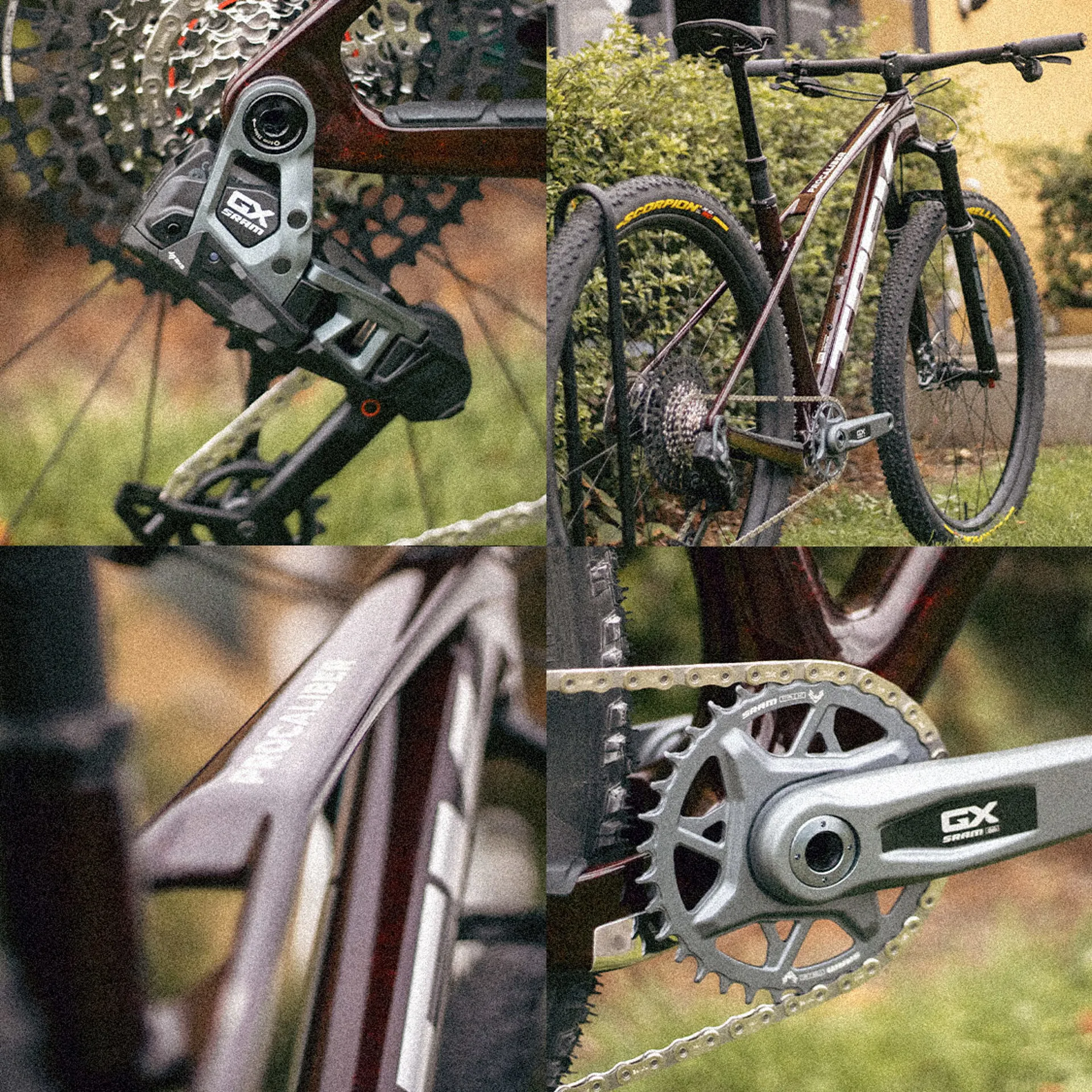
- Flat bars and a more upright position
- Greater comfort thanks to geometry and front suspension
- More control on loose, rocky, or technical terrain
- Confidence when the surface gets unpredictable
- Feels ready to go straight out of the box
You lose some outright speed and aero efficiency, but gain comfort, control, and fewer sketchy moments when the trail turns unfriendly.
Terrain Spectrum: Where Bikes Actually Sit (A Clearer View)
This is where things stop being marketing and start being honest. Here’s how road bikes, gravel bikes, and XC MTBs really stack up depending on terrain.
| Terrain | Road Bike | Gravel Bike | XC MTB |
|---|
| Smooth Tarmac | ●●●●● | ●●● | ● |
| Rough Tarmac | ●●●● | ●●●● | ●● |
| Hard-Packed Gravel | ● | ●●●●● | ●●● |
| Loose Gravel / Fire Roads | | ●●●●● | ●●●● |
| Forest Tracks / Bridleways | | ●●●● | ●●●●● |
| Rocky / Rooty Trails | | ● | ●●●●● |
Translation: gravel bikes and XC MTBs overlap far more than most people admit. Tyres, gearing, and confidence do the rest.
Gravel vs XC in the Trek Line-Up
A good real-world comparison comes from Trek’s range.
- Trek Checkpoint – classic gravel geometry, efficient, fast, and happy covering distance
- Trek Checkmate – racier gravel setup for riders chasing speed
- Trek Procaliber – lightweight XC hardtail built for efficiency and control off-road
On paper they’re different categories. On Kielder fire roads or Northumberland bridleways? The gap narrows very quickly.
So… Which Should You Buy?
| Choose This | If This Sounds Like You |
|---|
| Gravel Bike | You ride a mix of road and gravel, value speed and efficiency, and prefer drop bars for long-distance comfort. |
| XC MTB | You ride rougher terrain more often, want extra comfort and control, and prefer flat bars and an upright position. |
| Either | Your riding sits squarely on gravel and forest tracks and you’re happy tweaking tyres, gearing, or cockpit setup. |
The honest answer? Gravel and XC are closer than ever. Pick the bike that suits your riding style, not the label on the top tube.